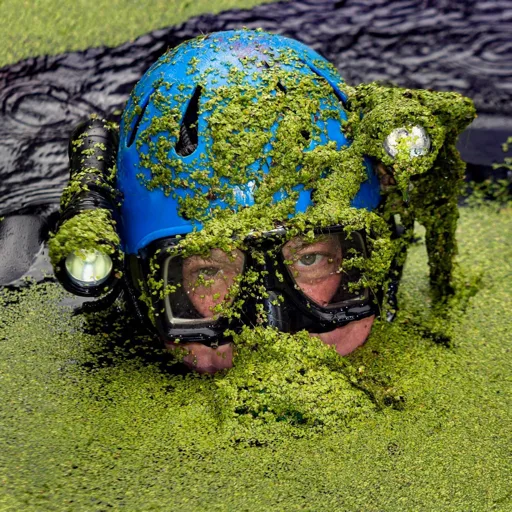
Single Tank Cavern Diver
A safety-and-awareness course for open-water divers covering overhead hazards, buoyancy, trim, propulsion, teamwork and cavern diving while remaining in clear sight of the entrance and daylight.
Course details ↗Training
Paul teaches from open-water foundations through full cave, advanced cave, closed-circuit rebreather, trimix, decompression, DPV, surveying and cartography. The sections below show how those disciplines fit together and what each course is designed to develop.
Course prerequisites and schedules vary by program. If you are unsure where to start, send Paul your current certification, recent diving experience and training goals.
NSS-CDS instructor profileCave training progression
A safety-and-awareness course for open-water divers covering overhead hazards, buoyancy, trim, propulsion, teamwork and cavern diving while remaining in clear sight of the entrance and daylight.
Course details ↗A technical-configuration preparation course for later cave training, with emphasis on buoyancy, trim, propulsion, teamwork, technical gear configuration and safe cavern procedures.
Course details ↗Training in enriched-air nitrox mixtures up to 40% oxygen, including gas analysis, cylinder identification and use of an appropriate nitrox-capable dive computer.
Course details ↗Part I of the two-part route to full NSS-CDS Cave Diver certification. The course focuses on limited main-line penetration, fundamental cave skills and critical emergency procedures.
Course details ↗Builds on Apprentice training with jumps and gaps, more complex navigation concepts, and applying appropriate decompression training to the cave environment.
Course details ↗An advanced route incorporating the full Cave Diver academic and skill development together with additional advanced cave work.
Course details ↗Advanced cave & range
Stage cylinders extend range but add complexity. Training covers stage-cylinder configuration and deployment, gas-management strategies and low-impact staging techniques.
Course details ↗A diver propulsion vehicle (DPV) is an underwater scooter used to extend cave-diving range. Training focuses on safe operation, emergency procedures, gas management and low-impact use in the cave environment.
Course details ↗Training in decompression strategies, emergency management and the use of oxygen-rich gases during cave dives that require staged decompression.
Course details ↗For deeper cave diving using helium-based breathing mixtures, with precise planning, gas management and decompression procedures adapted to the cave environment.
Course details ↗Closed-circuit rebreathers
Closed-circuit rebreather (CCR) cave training combines the core progression of Apprentice and full Cave Diver training with the additional planning, failure management and open-circuit bailout requirements of a rebreather.
Course details ↗The CCR equivalent of Trimix Cave Diver: the same deeper-cave planning and mixed-gas concepts applied to closed-circuit rebreather diving, including the bailout requirements created by depth and duration.
Course details ↗Surveying & mapping
Fundamentals of underwater cave surveying: accuracy standards, survey teams, tools, methodology, safety, data handling, symbology and the survey process from planning through completion.
Course details ↗The companion to cave surveying. It covers data reduction and verification and the process of turning survey measurements into a finished underwater cave map.
Course details ↗Broader training & specialist work
Paul teaches across the broader scuba-diving spectrum as well as cave and technical disciplines, including open-water and rescue training, instructor development, rebreathers, trimix, DPV and sidemount.
His specialist work also includes underwater photography and video, camera and lighting support, and project safety diving. Contact Paul for current scheduling and course availability.
Glossary
Contact Paul
Tell Paul what you are currently certified for, your recent diving experience, the equipment you dive and what you want to learn. He can recommend the appropriate starting point and confirm prerequisites and scheduling.
Email PaulInstructor credentials
Paul is NSS-CDS Instructor Evaluator #165. His instructor profile includes cave, advanced cave, stage, DPV, CCR, trimix, decompression, surveying and cartography training.
View Paul’s NSS-CDS instructor profile